Business Card & Postcard Designer Get a Free Quote

Author: Zackary Michael

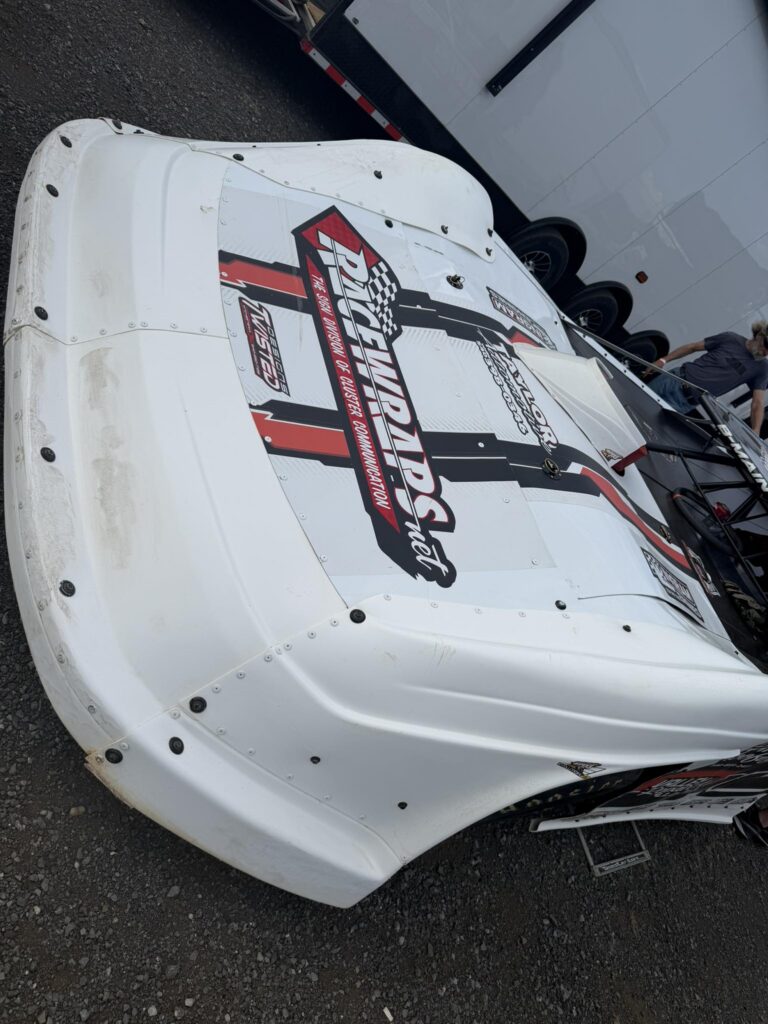
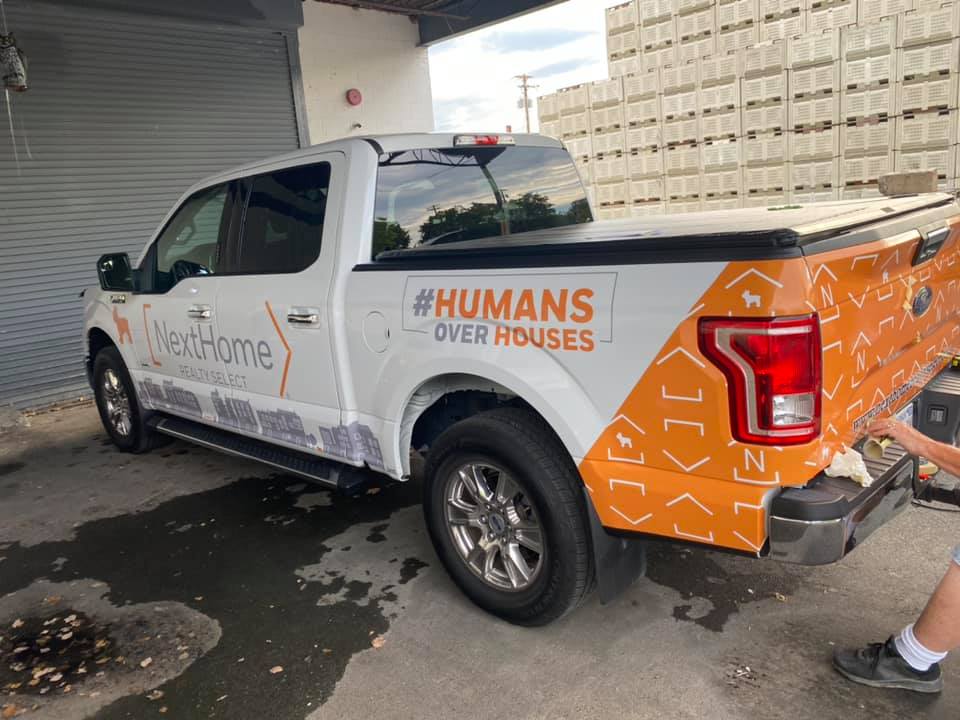
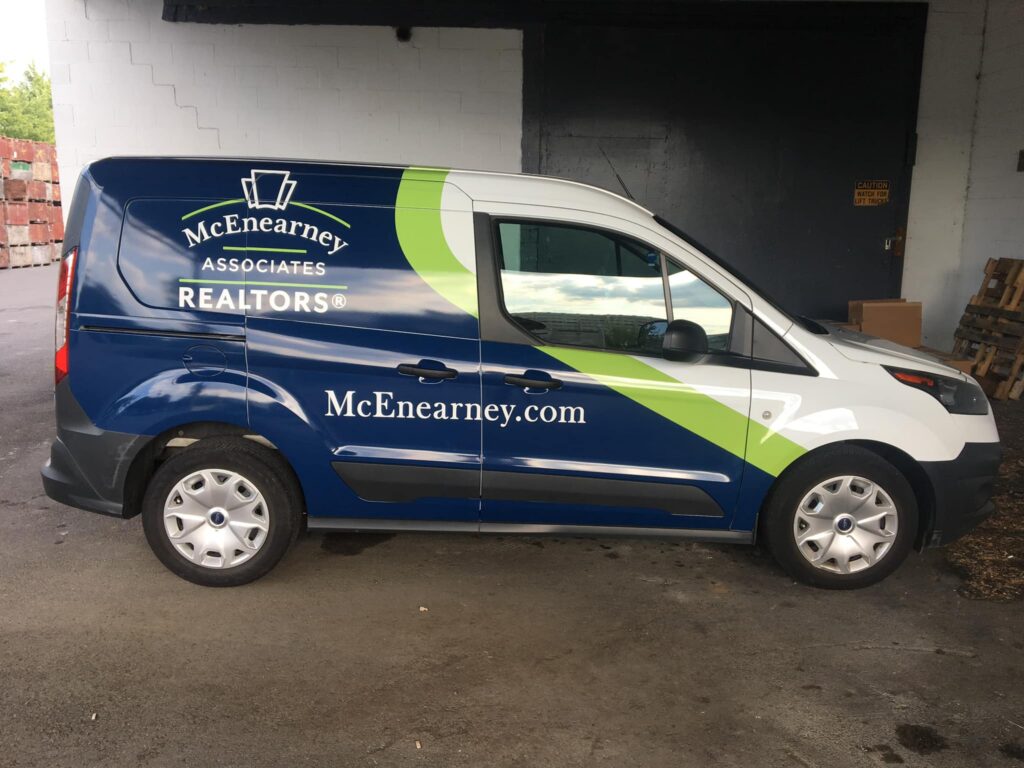
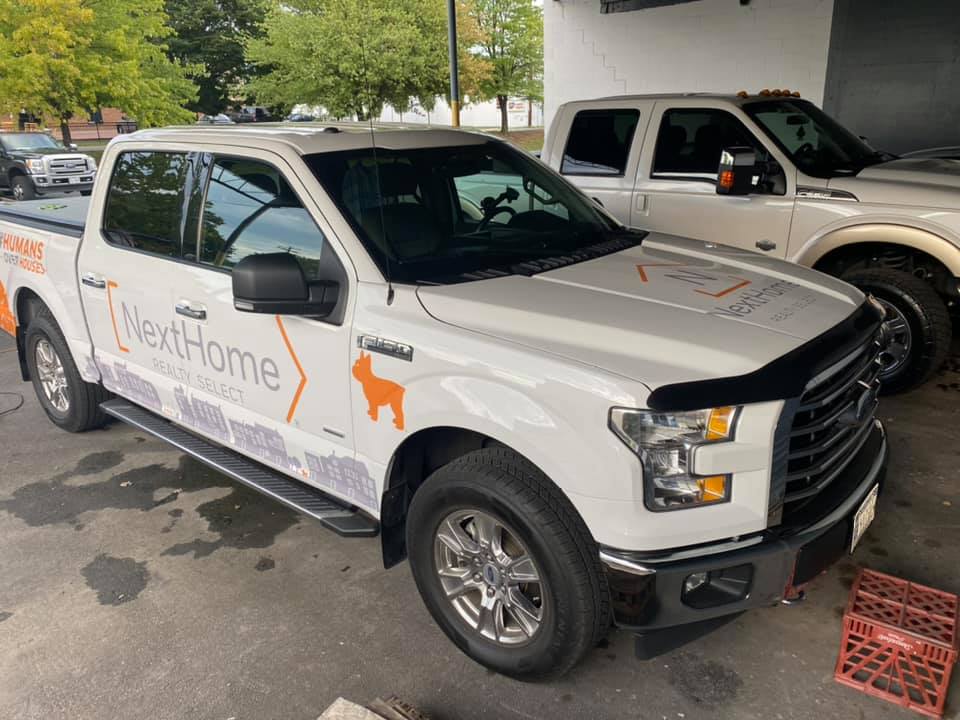
Get Your Fleet Wraps Ready Before the Busy Season

Every service business in the Winchester area knows the rhythm: the phones go quiet in winter, then spring hits and every truck needs to be on a job site by 7 AM. That busy season is also when your fleet does its best marketing, sitting in driveways and rolling up and down Interstate 81 and Route 7 in front of thousands of potential customers a day.

Which is exactly why the worst time to think about wrapping your fleet is the busy season itself. Trucks cannot come off the road when the schedule is packed, and wrap shops book up at the same time you get slammed. The businesses with sharp looking fleets in May planned in February. Here is how to be one of them.

When should you schedule fleet wraps before the busy season?

Start the process six to ten weeks before you need trucks looking sharp on the road. Design and revisions typically take two to three weeks, printing and production about a week, and installation one to three days per vehicle depending on coverage. Add scheduling lead time at the shop, and a fleet of three to five vehicles booked in late winter is comfortably done before spring demand hits.

That cushion matters most for multi vehicle fleets, because smart shops stagger installs so you never lose more than one truck at a time. Waiting until April usually means choosing between missing the window or pulling trucks off the road mid season.

When should you schedule fleet wraps before the busy season?, Winchester Signs & Vehicle Wraps

Audit the fleet and decide what actually needs wrapping

Walk your lot with a notepad before you call anyone. Which vehicles do customers actually see? A crew van parked in residential driveways all day earns a wrap faster than a yard truck that never leaves the shop. Note each vehicle’s age, mileage, and how long you plan to keep it, because a full wrap makes the most sense on vehicles staying in the fleet at least three to five years.

Rank them by visibility and lease on life, then wrap in priority order if budget will not cover everything at once. Consistency matters more than coverage: five vehicles in matching partial wraps build more brand recognition around Winchester than one show truck and four bare white vans.

Get your brand and message straight before design starts

Fleet wrap projects stall on missing assets more than anything else. Before kickoff, gather your logo in vector format, exact brand colors, phone number, website, and any license numbers your trade requires on vehicles. If your logo only exists as a small image pulled from your website, tell the shop early, because rebuilding art adds time up front.

Then decide the one thing each truck should say. The strongest fleet wraps read in three seconds: who you are, what you do, how to reach you. A wrap crammed with every service, slogan, and social icon becomes wallpaper at 55 miles per hour. Give the design team a clear priority, and let them build the layout around it.

Get your brand and message straight before design starts, Winchester Signs & Vehicle Wraps

Plan installs so revenue never stops rolling

A good wrap shop schedules around your operations, not the other way around. Common approaches include one vehicle at a time on a rotating schedule, installs over weekends or your slowest weekdays, or a winter blitz when the whole fleet sits anyway. Be upfront about which trucks can disappear for a day or two and when, and the schedule will build itself.

Also settle logistics before the first appointment: who drops off each vehicle, whether the shop needs keys for repositioning, and how crews get to job sites while their truck is in the bay. Small coordination details keep a fleet project from costing you a single booked job.

Vehicle condition: handle repairs and cleaning first

Vinyl is honest. It conforms tightly to the surface underneath, which means dents, rust, peeling clear coat, and old adhesive telegraph straight through a new wrap. Walk each vehicle and schedule any body work or paint repairs before your install dates, since wrap adhesive needs sound paint to bond to, and warranty coverage depends on it.

Removal of old graphics belongs in the plan too, because baked on vinyl from a decade ago can add hours of labor. Each vehicle should arrive freshly washed, free of wax and dressing, with a couple of days since the last heavy detail. Your installer will do final prep, but clean, sound vehicles keep the schedule and the quality where you want them.

Bottom Line

Fleet wraps reward the businesses that plan early: audit vehicles, lock your brand assets, and book installs six to ten weeks before the season turns. Done right, your trucks hit the busy months as rolling billboards while competitors are still waiting on a design proof. Winchester Signs & Vehicle Wraps builds fleet schedules around your operations, so reach out before the rush and your crew never misses a day on the road.

Related reading: Channel Letters vs Banner Signs: Which Fits Your Storefront, How to Choose a Sign Company in Winchester VA

How to Choose a Sign Company in Winchester VA

Your sign is the one employee who works every hour you are open and every hour you are not. For a lot of Winchester businesses, it is also the single largest branding purchase they will make for years, which makes the choice of sign company a genuine business decision, not a commodity buy.

The market makes that choice harder than it should be. Online sign printers, general contractors who dabble, and full service local shops all quote signs, and the numbers can be far apart. Here is how a business owner should sort them.

What should you look for in a sign company in Winchester VA?

Look for a company that handles the whole chain under one roof: design, permitting, fabrication, installation, and service after the sale. Add proof in the form of local signs you can drive past, appropriate licensing and insurance for installation work, and a written warranty on both product and workmanship. A shop that checks those boxes turns a complicated project into a predictable one.

The single question that separates contenders fastest: who pulls the sign permit? If the answer is you do, keep interviewing.

What should you look for in a sign company in Winchester VA?, Winchester Signs & Vehicle Wraps

Permits and local rules: make sure they own this step

Exterior signage in the City of Winchester requires permits, with rules governing size, placement, and illumination that vary by zoning district, and Frederick County has its own ordinance for locations outside city limits. Storefronts in the Old Town historic district face an extra layer of design review before anything goes up. This is not paperwork trivia: a sign installed without approval can be ordered down after you have paid for it.

An experienced local sign company treats permitting as part of the job, measuring your frontage, checking what the ordinance allows at your address, preparing drawings, and submitting on your behalf. Ask directly how many permits they have run through Winchester and Frederick County in the past year. Fluency with the local process is worth real money and weeks of saved time.

Judge fabrication quality and materials, not renderings

Any shop can produce a beautiful mockup. Durability lives in the materials and build: aluminum and quality acrylics instead of substrates that yellow and warp, LED modules and power supplies from name manufacturers, welded and properly finished cabinets, and UV stable finishes that survive Valley summers and freeze and thaw winters. Cheap builds look identical to good ones at the ribbon cutting and very different three years later.

Ask what materials are specified in your quote and why, then ask for addresses of signs they built five or more years ago and go look. A shop proud of its fabrication will volunteer examples all over town. While you are at it, confirm the sign is designed for serviceability, because every illuminated sign eventually needs a component replaced, and good design makes that a quick visit instead of a crane day.

Judge fabrication quality and materials, not renderings, Winchester Signs & Vehicle Wraps

Installation and what happens after the sale

Hanging a lit channel letter set or setting a monument sign is construction: electrical circuits, structural anchoring, bucket trucks, and liability. Confirm the company installs with its own licensed, insured crews or a longstanding electrical partner, and that a final inspection is part of the scope. This is also where you want one throat to choke, since split responsibility between a print shop and a random installer is where projects go sideways.

Then ask about life after installation. Who do you call when a letter goes dark on a Friday, what does the warranty cover, and for how long? Established Winchester shops answer service calls for decades in the same market, and their reputation depends on the sign still glowing years from now. That accountability is what an out of town online vendor can never quote.

Compare quotes on scope, not the bottom number

Sign quotes are only comparable when they include the same work. Line up each proposal and check whether it covers design and revisions, engineering if required, the permit and its fees, fabrication with named materials, installation, electrical hookup, and warranty terms. A low number that excludes permitting and installation is not a low number, it is an incomplete one.

Treat responsiveness during quoting as data, too. The shop that returns calls, asks about your goals, and explains tradeoffs before you are a customer is showing you how they behave after the deposit clears.

Bottom Line

Choose a sign company the way you would choose any contractor doing permitted, electrified construction on your building: full service scope, local permit fluency, proven fabrication, insured installation, and a warranty with a local phone number behind it. Price matters, but a sign that lasts fifteen years makes the cheap bid expensive. When you are ready to talk about your storefront, Winchester Signs & Vehicle Wraps will walk the site, handle the permitting, and put the entire scope in writing.

Related reading: How to Prepare Artwork for a Professional Vehicle Wrap, Channel Letters vs Banner Signs: Which Fits Your Storefront

Channel Letters vs Banner Signs: Which Fits Your Storefront

Walk any commercial strip in Winchester, from Valley Avenue to Berryville Avenue, and you will see the whole signage spectrum: crisp illuminated letters over established storefronts, and vinyl banners zip tied over the doors of businesses that just moved in. Both are doing a job. The question for an owner is which job your storefront needs right now.

Channel letters and banners are not really competitors, they are different tools with different lifespans, budgets, and messages to the market. Here is the straight comparison so you can spend once and spend right.

Should you choose channel letters or a banner for your storefront?

Choose channel letters when you want permanent, illuminated branding that signals an established business, and choose a banner when you need fast, inexpensive signage for a grand opening, promotion, or short term location. Channel letters are a multi year investment that works day and night, while banners are a marketing expense designed to be temporary. Most successful storefronts eventually use both: letters for identity, banners for announcements.

The mistake to avoid is letting a temporary banner quietly become your permanent sign. Customers read that message too, and it is not the one you want to send.

Should you choose channel letters or a banner for your storefront?, Winchester Signs & Vehicle Wraps

What channel letters cost and what that buys

Channel letters are individually fabricated three dimensional letters, usually aluminum bodies with acrylic faces and LED illumination, mounted to your building or a raceway. In our market, a typical storefront set commonly runs $3,000 to $8,000 installed, with size, letter count, illumination style, and electrical work driving the number. Prices vary by project, so treat a written site specific quote as the real figure.

That spend buys a decade or more of service. Quality letter sets shrug off sun, storms, and Winchester winters, stay legible around the clock, and telegraph permanence to every driver passing your building. For retail, restaurants, medical, and franchise locations, lit letters are effectively the price of admission for looking established, and landlords and design review boards widely favor them.

Where banners shine

A quality vinyl banner typically costs $100 to $500 depending on size and finishing, turns around in days rather than weeks, and installs without electricians or structural work. That speed and price make banners unbeatable for their actual purpose: announcing a grand opening while your permanent sign is in permitting, promoting a season or a sale, branding an event booth, or marking a location you know is temporary.

Banners simply are not built for years of weather. Sun fades the print, wind stresses the hems and grommets, and a banner that has hung through four seasons starts saying struggling instead of new. Used for months and retired on schedule, banners are one of the best values in signage. Asked to do a channel letter’s job, they cost you credibility daily.

Where banners shine, Winchester Signs & Vehicle Wraps

Visibility day and night

Illumination is the widest gap between the two. Channel letters light up, banners do not, and that difference maps directly onto revenue hours. If your business earns after dark, restaurants, gyms, salons, clinics with evening appointments, an unlit sign disappears for the exact hours customers are deciding where to stop. Front lit letters glow through acrylic faces, while halo lit letters cast a refined ring of light that historic and upscale settings love.

Distance and speed matter too. Dimensional letters with strong contrast read cleanly from a moving car well down the road, while a banner’s flat print reads best up close and at slower speeds. Match the sign to the traffic: a storefront facing fast arterial traffic needs the reach of illuminated letters far more than a walkable Old Town frontage does.

Permits, landlords, and Winchester rules

Both sign types touch regulation, just differently. Channel letters require a sign permit from the City of Winchester or Frederick County, with allowances tied to your building frontage and zoning, and Old Town storefronts add historic review. Banners are regulated as temporary signage, which typically means limits on how long and how often they can hang, so that permanent banner strategy some businesses try is usually against the rules as well as the branding.

Your landlord has a vote too, since most commercial leases include signage criteria specifying sizes, styles, and sometimes raceway requirements. A full service local sign company will check the ordinance and your lease exhibit before designing anything, which is exactly the kind of homework that prevents buying a sign twice.

Bottom Line

Channel letters are the long term identity play: illuminated, durable, and worth their $3,000 to $8,000 typical cost over a decade of service, while banners are the fast, affordable tool for openings and promotions measured in weeks. Use each for what it does best and your storefront always looks intentional. Winchester Signs & Vehicle Wraps designs, permits, and installs both across the Winchester area, and can tell you quickly which your location and lease actually call for.

Related reading: our banners yard signs services, How Much Does a Vehicle Wrap Cost in Winchester VA, How to Prepare Artwork for a Professional Vehicle Wrap

How to Prepare Artwork for a Professional Vehicle Wrap

A vehicle wrap is only as good as the file it was printed from. Wrap shops see it constantly: a business owner with a great brand shows up with a logo screenshotted from Facebook, and suddenly the project is stuck rebuilding artwork instead of printing it.

If you are a Winchester business owner planning a wrap for a van, truck, or trailer, an hour spent organizing your artwork saves days on the timeline and noticeably sharpens the finished product. Here is exactly what your wrap shop hopes you will bring to the first meeting.

What files do you need for a professional vehicle wrap?

Bring your logo as a vector file, the formats usually end in .ai, .eps, .svg, or vector .pdf, along with your exact brand colors and any photos at the highest resolution you have. Vector art scales from a business card to a box truck with perfectly crisp edges, while a small web image turns blurry when enlarged. If vector files do not exist, your shop can rebuild the logo, it just adds time and cost to the front of the project.

Not sure what you have? Send whatever files exist and let the production team sort them. A good shop would rather see everything than have you guess wrong.

What files do you need for a professional vehicle wrap?, Winchester Signs & Vehicle Wraps

Start with vector art, not screenshots

The difference between vector and raster art decides how your brand looks at truck scale. Raster images, like .jpg and .png files, are made of pixels, and a logo that looks fine at website size falls apart when stretched across a tailgate. Vector art is math instead of pixels, so it enlarges infinitely with zero quality loss. Your original designer almost certainly created a vector version, and a quick email usually retrieves it.

Fonts hide a second trap. If your artwork uses a font the print shop does not own, the file can open with substituted lettering that quietly changes your branding. Ask your designer to convert text to outlines before sending, which locks the letterforms in place. Photos are the exception to the vector rule: they should simply be as high resolution as possible, straight from the camera rather than compressed through email or texting.

Design for a moving vehicle, not a flat page

A wrap is read in traffic, which changes every design rule. The message must land in about three seconds: business name, what you do, and one way to contact you. That is the whole test. Designs that try to list every service become visual noise on Valley Avenue, while the vans people remember keep it bold and simple with generous contrast between text and background.

Physical geometry matters just as much. Door handles, body lines, rivets, windows, and curves all interrupt artwork, so professional shops design on scaled templates of your exact vehicle model to keep phone numbers off door seams and faces off gas caps. Expect key text to sit in large, flat panels of the vehicle, and trust the shop when they nudge elements away from trouble zones.

Design for a moving vehicle, not a flat page, Winchester Signs & Vehicle Wraps

Know the specs your shop will ask about

A few production details come up on every project, and knowing them makes you a fast client to work with. Print files are typically built at a reduced scale with high resolution, and your shop handles that math. Colors should be specified in Pantone or CMYK values rather than what looks right on your phone screen, because screens display color in RGB and printers do not. If your trucks must match your storefront sign and business cards, exact color values are what make that happen.

Bleed and safe zones matter too: artwork extends past panel edges so nothing critical gets trimmed at a body line. You do not need to master any of this, only to expect questions about it and to loop in whoever controls your brand files early.

Proofs: the last exit before printing

Before anything prints, you will receive a digital proof showing the design mapped onto your vehicle from multiple angles. Read it like a contract. Check the phone number digit by digit, the website spelling, license numbers if your trade requires them, and how the design flows across doors and seams. Printing from an approved proof with a typo in it is a mistake that gets rewrapped at the owner’s expense.

Ask to see the proof at full detail on a real computer screen rather than a phone, and get a second set of eyes from someone at your company. One five minute review meeting catches what four one word text replies never will.

Bottom Line

Great wrap artwork comes down to vector logos, exact brand colors, high resolution photos, and a message simple enough to read in three seconds of traffic. Bring those, review your proof carefully, and your wrap will look sharp from every angle for years. If your art files are a mystery, bring what you have to Winchester Signs & Vehicle Wraps and the design team will get your brand road ready.

Related reading: our signs vehicle wraps services, How Much Does a Vehicle Wrap Cost in Winchester VA

How Much Does a Vehicle Wrap Cost in Winchester VA

For a local service business, the company vehicle is either a rolling billboard or a missed opportunity, and the difference is a few thousand dollars of vinyl. The question every owner asks first is the same: what does a wrap actually cost?

The honest answer is a range, because a compact car and a box truck are very different animals, and full coverage costs more than a set of door decals. This guide breaks down realistic Winchester area numbers by coverage level and vehicle type, plus what moves a quote up or down. Prices vary by shop, material, and vehicle condition, so use these ranges for budgeting and let a written quote set the real number.

How much does a vehicle wrap cost in Winchester VA?

Most full vehicle wraps in the Winchester area run between $2,500 and $5,500, with sedans and small cars at the low end and full size vans and trucks toward the top. Partial wraps typically cost $1,200 to $3,000, box trucks and trailers commonly run $4,000 to $8,000 or more, and simple cut vinyl decal packages start around $300 to $800. Design fees are sometimes included and sometimes itemized, so ask.

For a vehicle you will keep three to five years, even the high end of those ranges works out to remarkably cheap advertising per month, which is why wrapped fleets keep multiplying on local roads.

How much does a vehicle wrap cost in Winchester VA?, Winchester Signs & Vehicle Wraps

Cost by coverage level

Full wraps cover essentially every painted surface and deliver maximum impact plus paint protection underneath. On a typical work van, expect roughly $3,500 to $5,500 depending on size and design complexity. Three quarter and half wraps concentrate coverage on the rear and sides where eyes actually land, usually saving 25 to 40 percent versus full coverage while looking nearly as complete from behind, which is the view most drivers get in traffic.

Partial wraps and decal packages carry the entry point. A smart partial, rear doors, side panels, and hood logo, can brand a van for $1,500 to $2,500, and a clean cut vinyl package with logo, phone, and website can get a new business on the road for well under a thousand. A good designer can make any of these tiers look intentional rather than budget driven.

What moves your quote up or down

Vehicle size and surface complexity are the biggest levers. More square footage means more material and labor, and deeply curved bodies, rivets on box trucks, and bumpers with sensors all slow installation. Design complexity matters too: adapting an existing clean design costs less than building custom art with photo backgrounds from scratch.

Two costs surprise owners most. First, removal of an old wrap or aged decals can add several hundred dollars or more, because baked on vinyl comes off slowly. Second, paint condition: wraps bond to paint, so peeling clear coat or rust needs repair first or it will show through and shorten wrap life. Material grade rounds out the list, with premium cast vinyl and laminate from the major brands costing more than economy films and lasting years longer, typically five to seven years or beyond with reasonable care.

What moves your quote up or down, Winchester Signs & Vehicle Wraps

Wrap cost versus other advertising

Here is the math that sells wraps to fleet managers. A wrapped vehicle working around Winchester, Stephens City, and up and down Interstate 81 gets seen tens of thousands of times per month, and industry studies routinely put vehicle wraps among the lowest cost per impression of any ad medium. A $4,000 wrap spread across five years is under $70 a month, less than most businesses spend on a single small digital campaign, and it never stops running.

The comparison gets better because the wrap works while you work. Every driveway your crew parks in is a neighborhood level ad placement, seen by the exact homeowners most likely to need you next. Few line items on a marketing budget compound that way.

Budgeting and phasing a fleet

If you run multiple vehicles, you do not have to wrap everything at once. Prioritize the vehicles customers see most, wrap those first, and phase the rest over quarters as cash flow allows. Keeping the design consistent across tiers, full wraps on customer facing vans, partials on support trucks, preserves the uniform fleet look that builds recognition around town.

Ask your wrap shop about multi vehicle pricing and scheduling, since fleet projects often earn better rates and can be timed to your slow season. And treat the design as a one time investment: once your template exists, adding the next truck is faster and cheaper than the first.

Bottom Line

Budget roughly $2,500 to $5,500 for a full wrap in Winchester, $1,200 to $3,000 for a strong partial, and more for box trucks and trailers, with removal, paint condition, and material grade moving any quote. Measured against what it delivers for three to five years, a wrap is one of the cheapest impressions in local advertising. For an exact number, Winchester Signs & Vehicle Wraps will look at your vehicle, talk through coverage options, and quote it in writing.

Related reading: our signs vehicle wraps services