
How Long Do Vehicle Wraps Last in the Virginia Sun
Ask a fleet manager what worries them about wraps and it is rarely the upfront price. It is the shelf life: how many years does the vinyl look sharp before the truck starts advertising neglect instead of your business? That number decides whether a wrap is the cheapest ad in town or a recurring headache.
In our part of Virginia, the sun sets that number more than anything else. Winchester summers bake vehicles in open lots, winters swing thirty degrees in a day, and a working truck lives outside through all of it. Here is what realistic wrap life looks like in the Valley, and which parts of it you actually control.
How long does a vehicle wrap last in Virginia?
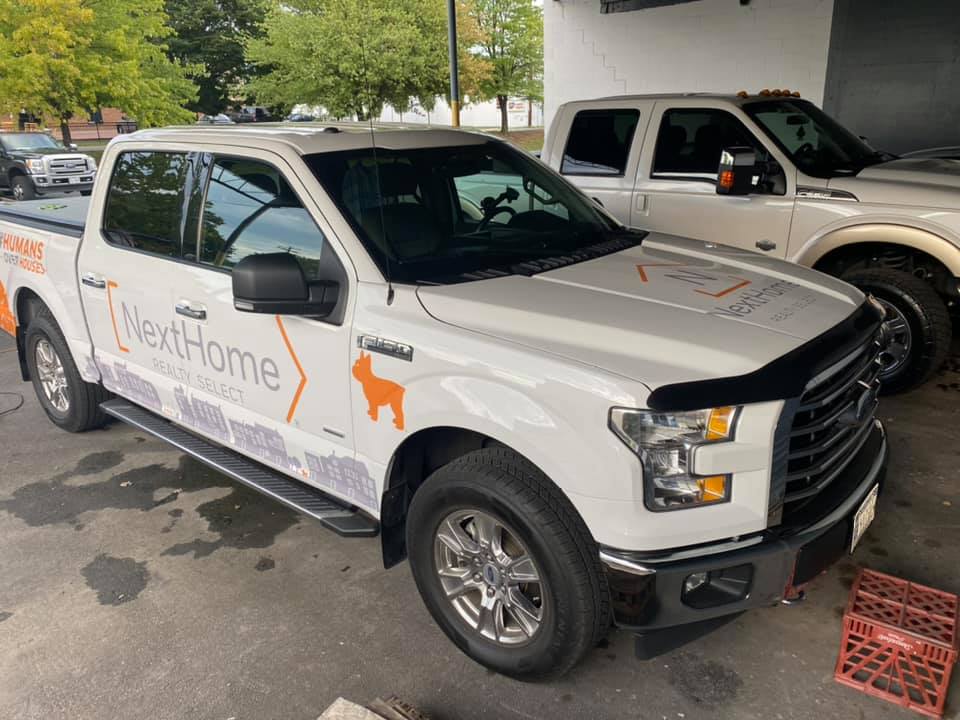
A professionally installed wrap in premium cast vinyl with a laminate overcoat typically lasts five to seven years in Virginia, and garaged, well maintained vehicles can push past that. Economy films and unlaminated prints often start fading or cracking around year three. Sun exposure is the swing factor: a truck parked outside in full southern exposure ages measurably faster than one that sleeps under a roof.
Those numbers also assume sound paint underneath and correct installation, because no film hits its rated life over failing clear coat or poorly sealed edges.
Why Virginia sun is harder on vinyl than it sounds
Ultraviolet light is what actually kills a wrap. UV breaks down the plasticizers that keep vinyl flexible and fades the pigments in the ink, which is why an old wrap turns brittle and chalky at the same time. Virginia gets enough annual sun to do real damage, and summer heat multiplies it: panel surfaces on a dark vehicle can pass 140 degrees in a July parking lot, cooking the film exactly where the sun lands longest.
The Valley adds a second stress most owners never consider: temperature swing. A January day here can start in the teens and end near fifty, and vinyl expands and contracts with every cycle. That movement works hardest at edges, seams, and recesses, which is why horizontal surfaces like hoods and roofs, plus any poorly sealed edge, are always the first places a wrap shows its age.
Material and installation set the ceiling
Not all vinyl is the same product. Premium cast films from the major manufacturers are engineered to stay flexible and hold color for years, carrying vertical surface ratings around seven years, while cheaper calendared films are thicker, shrink over time, and can fail in half that. The laminate layer matters just as much: it is effectively sunscreen for the printed ink, and skipping it to save a few hundred dollars is the single most expensive shortcut in the wrap business.
Installation quality decides whether the material ever reaches its rating. Certified installers post heat the film into recesses and around curves so it stops trying to pull back to its original shape, and they seal edges so wash water and highway wind cannot start a peel. When you compare quotes, the film brand, the laminate, and the installer certification are what separate a five year wrap from a three year one.
Parking and habits move the number
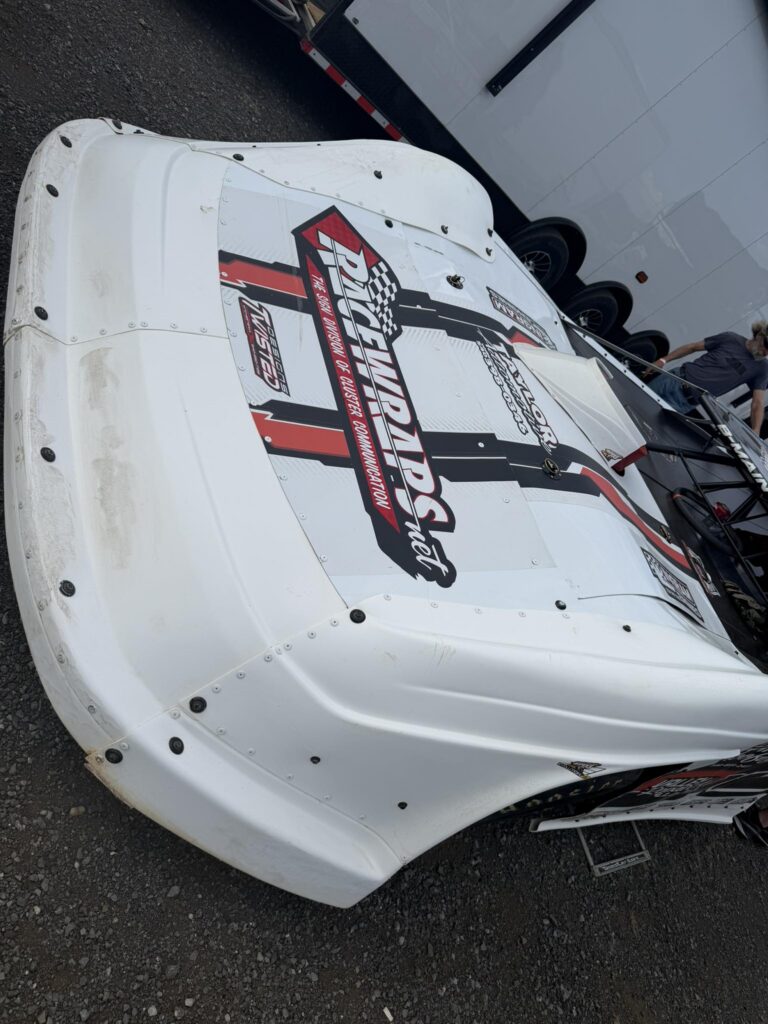
Where a vehicle sleeps is worth a year or two of wrap life. Garage or covered parking at night blocks a huge share of lifetime UV, and even choosing the shaded side of the yard helps. If part of your fleet sits unused for stretches, park those trucks under cover and let the daily drivers take the sun.
Routine care compounds the same way. Regular hand washing removes the grit, sap, and road film that dull vinyl, and quick attention to bird droppings, fuel drips, and winter salt keeps stains from etching in permanently. A wrap that gets washed weekly and parked smart simply outlasts an identical wrap that gets neither, and the difference shows up right where customers look.
When to plan the rewrap
Wraps rarely fail overnight, they fade politely. Watch for color loss on the hood and roof first, then cracking or a brownish cast in the film, then edges beginning to lift. Once graphics look tired, the math flips: a faded phone number on a dull wrap tells the neighborhood your best work is behind you, which is the opposite of what you paid for.
Plan on budgeting for customer facing vehicles around year five and evaluating annually after that. There is a practical reason not to stretch it too far: vinyl left on much past its useful life bakes onto the paint, and removal labor climbs fast. A scheduled rewrap costs less, protects the paint for resale, and doubles as a brand refresh across the fleet.
Bottom Line
Expect five to seven years from a quality cast vinyl wrap in the Winchester area, three or so from bargain film, and take the difference personally, because material, laminate, installation, parking, and washing are all choices. Buy the good film once and treat it like the marketing asset it is. If you want a straight answer on what your current wrap has left, or a quote built to survive Virginia summers, Winchester Signs & Vehicle Wraps will give you both in plain numbers.
Related reading: our signs vehicle wraps services


